Explore the Power of HEMI Engines: Performance Improvements and Benefits Explained
HEMI engines are well known for their distinctive design and impressive performance capabilities. Passionate owners regularly explore options to improve their power and efficiency through numerous enhancements. From air intake modifications to advanced tuning techniques, numerous options exist. However, not all enhancements yield the same results. Understanding the most effective strategies and common pitfalls is essential for maximizing performance. What particular enhancements can authentically unleash the true power of these high-performance engines?
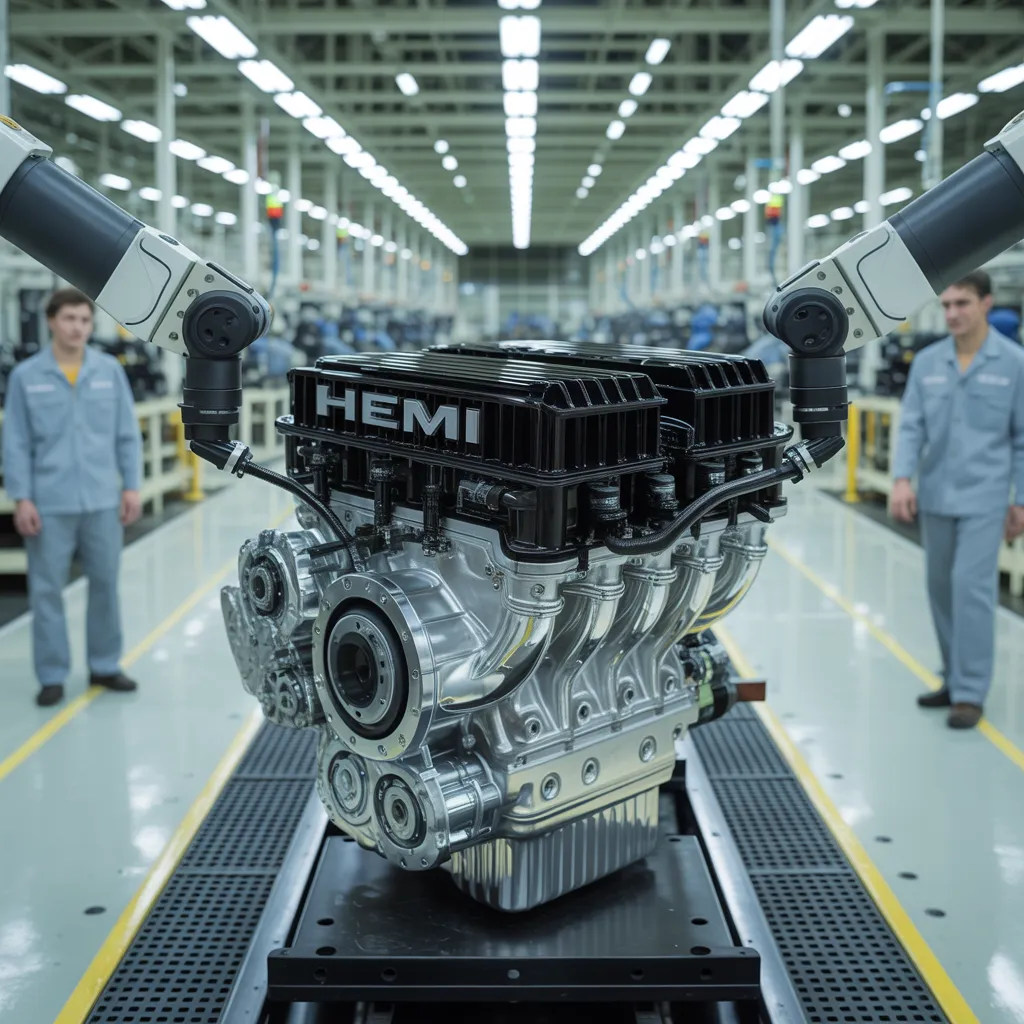
What Are HEMI Engines and Why Are They Special?
HEMI engines, renowned for their iconic hemispherical combustion chambers, have established themselves as legends in the world of automobiles. Their remarkable design enables efficient airflow, enabling better fuel combustion and increased power output. The combustion chamber's geometry optimizes the angle at which the air-fuel mixture enters, improving performance across multiple RPM ranges.
These engines typically feature a wedge-shaped piston, which pairs well with the dome-shaped chamber, leading to a more complete combustion process. This results in greater torque and horsepower output compared to conventional flat-head engine designs. Furthermore, HEMI engines commonly feature a twin overhead camshaft configuration, greatly boosting overall performance and engine responsiveness.
The combination of these engineering elements not only supports their exceptional performance but also delivers a remarkable auditory experience, making them a top choice among car enthusiasts. Their heritage continues to grow, representing power and innovation in the automotive industry.
Enhancing Horsepower Using HEMI Modifications
Improving horsepower in HEMI engines can be accomplished through several powerful modifications. Critical modifications include improving intake air systems, implementing exhaust performance enhancements, and examining numerous engine optimization strategies. These modifications is critical for optimizing engine performance and power output.
Air Induction Systems
When considering power improvements for HEMI engines, air induction systems serve a vital purpose in boosting horsepower. These systems are designed to optimize airflow into the engine, facilitating improved combustion and greater power output. By swapping out stock air intakes for high-performance alternatives, enthusiasts can markedly reduce air restrictions, producing enhanced throttle response and quicker acceleration. Upgraded air intake systems typically incorporate bigger diameter pipes, performance air filters, and superior cold air induction designs, that promote more efficient engine performance. Additionally, they can enhance engine sound, providing a sportier tone while driving. Overall, upgrading the air intake system can be a vital step for enthusiasts aiming to achieve the maximum performance from their HEMI engines.
Exhaust System Performance Upgrades
Enhancing the exhaust system is an essential step for improving the performance of HEMI engines. A top-tier exhaust system enables improved airflow, decreasing back pressure and allowing the engine to function with greater ease. This gain in capability produces higher horsepower and torque. Parts including headers, cat-back systems, and performance mufflers can significantly improve exhaust flow dynamics. In addition, these modifications can improve the engine's sound, creating a more aggressive tone that many performance seekers favor. When coupled with other modifications, such as improved air intake systems, the results are considerably stronger. Overall, performance exhaust upgrades serve as an indispensable step for those seeking to maximize the capabilities of their HEMI engines.
Engine Performance Options
Engine tuning strategies play a pivotal role in unlocking the full potential of HEMI engines. By modifying the engine's air-fuel mixture, ignition timing, and other parameters, drivers can significantly increase horsepower and torque. Widely used methods feature reprogramming the engine control unit (ECU) with custom tunes, allowing for optimized fuel delivery and timing. Additionally, third-party tuning experts often provide customizable options that accommodate specific driving styles, whether for daily use or track performance. Pairing performance upgrades, such as cold air intakes or high-flow fuel injectors, enhances the benefits of tuning. Overall, a proper tuning strategy not only boosts overall power output but also improves throttle response, making it an essential step for HEMI owners pursuing a more exhilarating drive.
Best Performance Enhancements for HEMI Engines
Numerous enthusiasts look to improve the performance of HEMI engines to unlock their full potential. Key upgrades include cold air intakes, which improve airflow and boost horsepower. Performance exhaust systems are also essential, as they reduce backpressure and enhance engine sound. Upgrading the camshaft can optimize valve timing for greater torque and horsepower, while high-performance fuel injectors ensure a more effective fuel delivery.
In addition, incorporating a superior throttle body provides quicker response and superior airflow. Engine tuning, through a personalized ECU remap, can maximize improvements from these changes by adjusting fuel maps and ignition timing. Finally, incorporating a high-capacity oil cooler can improve engine durability by keeping ideal temperatures during performance driving. All of these modifications work together to upgrade a factory HEMI engine into a dominant force, offering enthusiasts with a exhilarating driving experience.
Strategies for Boosting HEMI Fuel Efficiency
While performance upgrades often dominate discussions about HEMI engines, fuel economy is just as crucial for enthusiasts seeking to harmonize power and efficiency. A number of approaches can enhance fuel economy without compromising performance.
Consistent upkeep is crucial; ensuring the engine remains properly tuned, including timely oil changes and air filter replacements, secures maximum efficiency. Moreover, employing high-grade fuel can boost combustion performance. Tyre pressure ought to be tracked and kept at proper levels, as correctly inflated tires minimize rolling resistance.
Driving behavior also plays an important part; practicing gentler acceleration and braking can result in considerable fuel economy. Cutting down on excess weight and eliminating unneeded cargo can additionally improve fuel performance.
Finally, taking advantage of the use of fuel-efficient driving modes, when applicable, empowers drivers to customize settings for enhanced mileage. When following these strategies, HEMI drivers can achieve greater fuel efficiency alongside their engine's outstanding power.
How Exhaust Modifications Can Boost Your HEMI Performance
Improving the exhaust system can significantly enhance HEMI performance by improving exhaust flow dynamics. This not only enables greater horsepower potential but also contributes to a more satisfying engine sound quality. Such upgrades can redefine the driving experience, making it both more capable and satisfying.
Enhanced Exhaust Flow Dynamics
Optimized exhaust flow performance are fundamentally important in enhancing HEMI engine performance, as high-performance exhaust systems can significantly minimize backpressure. By incorporating performance-grade headers, wider exhaust pipes, and performance catalytic converters, the exhaust gases can evacuate the engine more effectively. This reduction in backpressure allows for more rapid exhaust expulsion, supporting enhanced air intake and boosting combustion effectiveness. As a result, HEMI engines gain notable horsepower and torque improvements, along with better throttle response. Additionally, these modifications can contribute to improved fuel efficiency, making them a compelling choice for power-focused drivers. Overall, implementing exhaust flow improvements not only boosts performance but also optimizes the engine's output capacity, ensuring a superior and exciting driving experience.
Upgraded Engine Acoustic Quality
Once exhaust upgrades are put in place, they not only improve a HEMI engine's performance but also get going considerably elevate its sound quality. Improving the exhaust system allows for a more powerful and defined exhaust note, producing a fuller, more commanding sound that many enthusiasts find attractive. This change is achieved through components such as performance mufflers and high-flow catalytic converters, which lower back pressure and elevate the overall acoustic experience. The sound created by a modified exhaust system adds to the vehicle's identity, making it stand out on the road. Moreover, a well-tuned exhaust can evoke a sense of power and performance, enhancing the driving experience for HEMI owners while drawing interest from fellow automotive enthusiasts.
Enhanced Horsepower Potential
Exhaust modifications unlock substantial performance potential in HEMI engines, elevating their overall capabilities. By improving exhaust flow, these modifications reduce back pressure, permitting the engine to function with greater freedom. High-performance headers and cat-back exhaust systems enhance the expulsion of exhaust gases, which results in increased engine efficiency. This improved flow not only contributes to higher horsepower but also improves throttle response, making acceleration more immediate and powerful. Additionally, lighter materials can decrease overall vehicle mass, additionally boosting performance. When integrated with complementary enhancements, such as cold air intake modifications, the horsepower gains can be even more pronounced. Ultimately, exhaust modifications give HEMI owners a simple and reliable way to extract maximum power and performance from their engines.
Professional Tuning Strategies for HEMI Engines
Releasing the total power of HEMI engines calls for a thorough understanding of expert-level tuning methods. These practices include optimizing engine control units (ECUs) to fine-tune fuel maps and ignition timing, which substantially improves performance. Custom tuning permits enthusiasts to customize settings based on individual upgrades, such as aftermarket intakes or exhaust systems.
Moreover, using performance chips can provide immediate gains in torque and horsepower by fine-tuning engine parameters for better fuel efficiency and power delivery. Data logging tools are invaluable for monitoring engine performance in live time, allowing adjustments that fine-tune fuel ratios and boost pressure.
In addition, advanced tuning may encompass modifying valve timing and camshaft profiles, improving airflow efficiency for peak efficiency. Through utilizing these methods, HEMI owners can realize substantial advances in both performance and drivability, turning their cars into powerful high-performance vehicles that embody their individual specifications and personal driving styles.
Typical Errors to Steer Clear of When Upgrading Your HEMI
What mistakes should HEMI enthusiasts watch out for throughout their upgrade process? One frequent error is failing to research compatibility when choosing components. Many enthusiasts purchase components without verifying their fit for specific HEMI models, leading to performance issues or costly returns.
Another common mistake is overlooking the necessity of tuning after upgrades. Upgrades often necessitate recalibrating the engine's computer to optimize performance, and neglecting this step can lead to disappointing outcomes.
Furthermore, many often underestimate the significance of professional setup. Do-it-yourself modifications can cause serious mistakes, most notably with sophisticated mechanisms.
Lastly, owners sometimes prioritize looks over performance, spending money on flashy upgrades that offer no benefit to overall output. By sidestepping these common errors, HEMI fans can guarantee a more efficient modification journey and achieve the desired enhancements effectively.
Questions We Often Receive
Which Vehicles Typically Feature HEMI Engines?
HEMI engines can frequently be found in various Dodge and Chrysler vehicles, such as the Charger, Challenger, Ram trucks, and Jeep Grand Cherokee. These engines are well known for their power and performance capabilities across multiple models.
How Does a HEMI Engine Compare to a V8?
A HEMI engine commonly delivers superior power and torque in contrast to a traditional V8, owing to its specialized hemispherical combustion chamber configuration. This configuration improves performance and efficiency, making HEMIs highly sought after by high-performance vehicle enthusiasts.
Are HEMI Engines Reliable for Daily Driving?
HEMI engines are broadly recognized as trustworthy for regular driving, providing a combination of power and longevity. Numerous owners note impressive durability and fuel management, making them a practical option for consistent use across diverse road conditions.
What Is the History Behind HEMI Engines?
HEMI engines first emerged during the 1950s, showcasing a hemispherical combustion chamber design that enhanced efficiency and performance. Originally celebrated in racing, they earned widespread popularity in everyday vehicles, improving performance and establishing their legendary standing.
Can a HEMI Engine Be Installed in Any Vehicle?
Mounting a HEMI engine within virtually any vehicle is doable, but demands extensive alterations. Fitment with the vehicle's electrical systems, transmission, and chassis must be considered, in addition to regulatory requirements and emissions guidelines in the region.